

One of the fastest-growing sectors in the building industry is wellness design and architecture. Many architects and planners think of wellness more as residential amenities that improve the quality of living, but it can also improve the lives of inhabitants of many different types of spaces, such as offices, healthcare buildings, or educational facilities.
Wellness design and architecture rely on the art and science of designing built environments with socially conscious systems and materials that promote a harmonious balance between physical, emotional, cognitive, and spiritual wellbeing, while simultaneously regenerating the natural environment. Human health, wellbeing, and comfort are key design considerations that augment a foundation rooted in sustainable and regenerative design practices.
Wellness-focused design involves lighting, materials, air, and sound quality, neutral color palettes, biophilic design (connecting architecture and nature), greenery, and outdoor-indoor space integration—to name just a few key design areas.
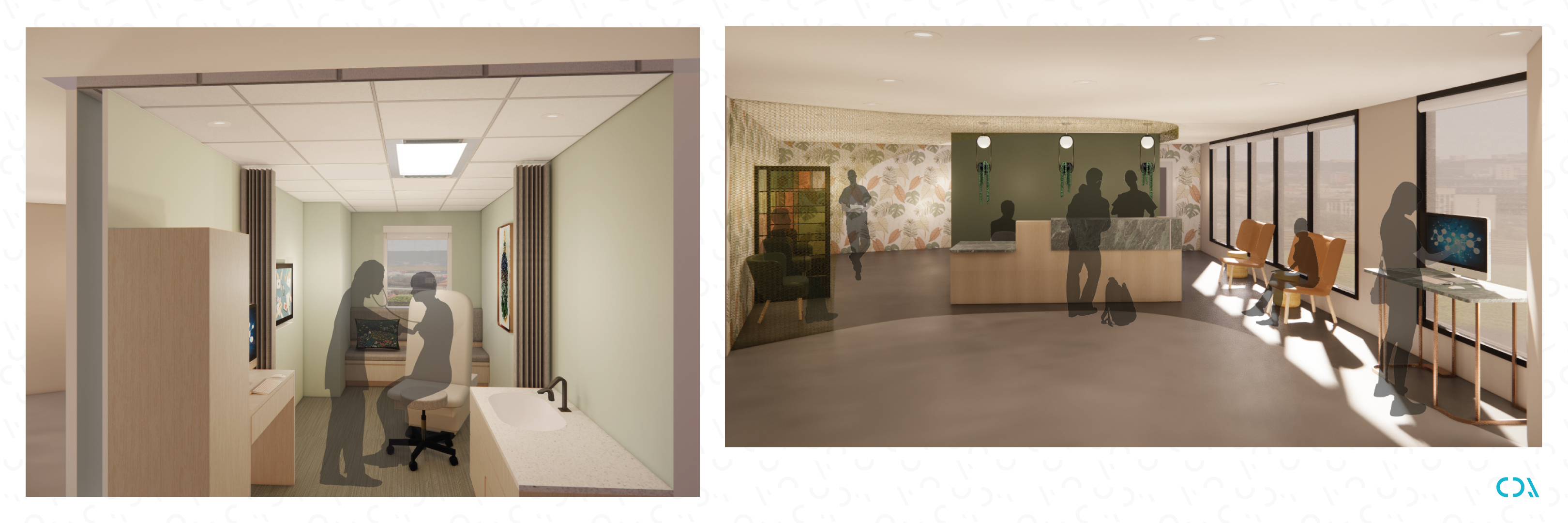
Most people are familiar with green building standards, but where sustainability is about the health of the planet, wellness architecture design is about the health of a building’s occupants. While there’s certainly crossover in design tactics, there are considerations that are specific to increasing the wellness of building occupants:
From infrared saunas and circadian light technology to fitness concierges and mindful product sourcing, wellness amenities grow bigger and better with every project rollout as a competitive advantage to the building next door. The design profession has long been primed to address the wellness race, in part because it has positioned itself as a problem-solving industry. Designing with wellness in mind is to design spaces with intention that enable a better lifestyle.
We see massive potential for what will happen in that market in the next decade-plus. We are at the very beginning of a shift in the way building is done. The growth in wellness building comes partly from consumer demand and lifestyle, and partly because of environmental and health crises around the world. Our challenge is making sure these spaces are comfortable, sanitary, and functional—all while being aesthetically pleasing.
Healthcare facilities are spaces dedicated to patient health, but more and more facilities understand the benefit of wellness and lifestyle as part of the overall picture, as well as their contribution to improved recovery rates. Patient satisfaction and experience in healthcare are an added bonus to this comprehensive approach.
By using design to set an example of the importance of wellness for the next generation, we’re making incremental progress for the betterment of society as a whole. Wellness standards are pushing the industry in a good direction, both in design and in components that must meet stringent requirements. Occupants who experience the benefits of these design choices are more likely to demand the same or better of the other spaces they inhabit. By evolving and growing as new research presents itself, we are doing our part to make the built environment a place that supports and inspires the humans that occupy it.
We have been leaders in award-winning retail design and architecture with many prominent clients who have gone on to become lifelong partners.
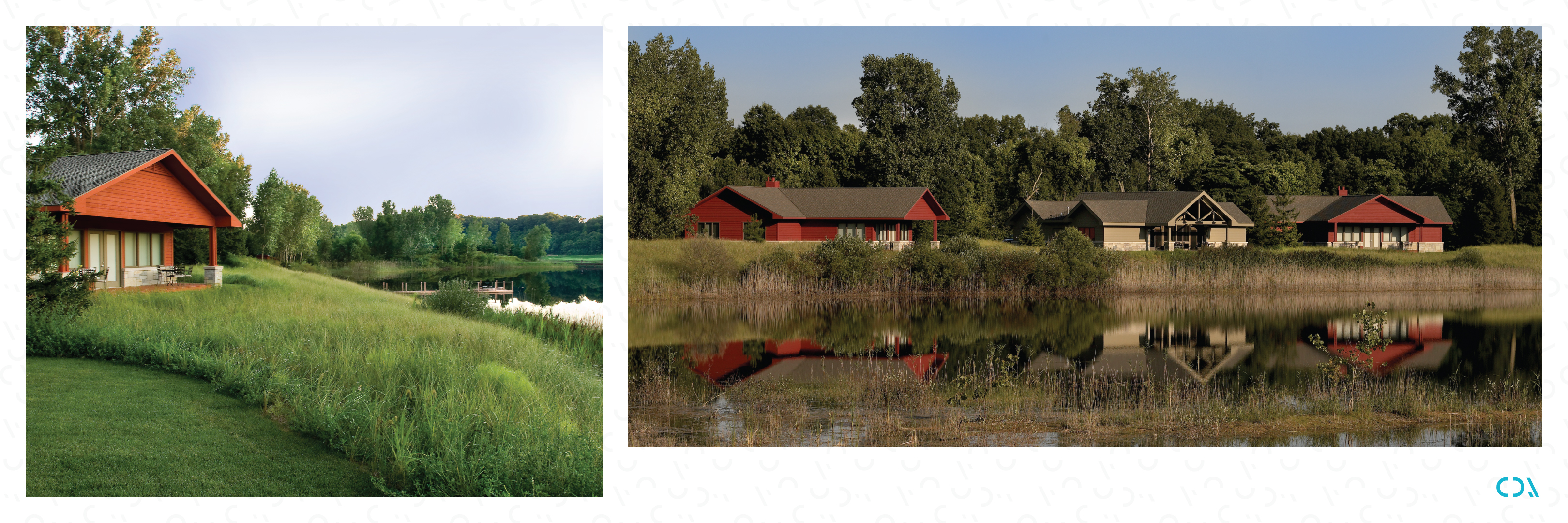
Lost Dunes Golf Club reached out to Chipman Design Architecture to design a private 18-hole golf club carved into a breathtaking setting of forests and spectacular dunes rising above the adjoining Lake Michigan Beach. The 191-acre site lies in the famed Harbor County resort area catering to an upscale Chicago market.
The team’s biggest project was the most prominent structure on the course –– a 20,000sf Clubhouse. The clerestory entrance lobby focuses upon a monumental two-sided stone fireplace, ushering guests into a host of facilities for its private membership. Amenities include the Mixed Grill Dining Room, Lounge and Dining Room, Locker Rooms offering spa, and fitness facilities, as well as a Pro Shop and Outdoor Deck Dining. The lower level of the structure has been set aside for heated cart storage and service facilities.
Read more about our work with Lost Dunes and our wellness design and architecture.


